Building Sustainable Communities Through Structured Social Impact
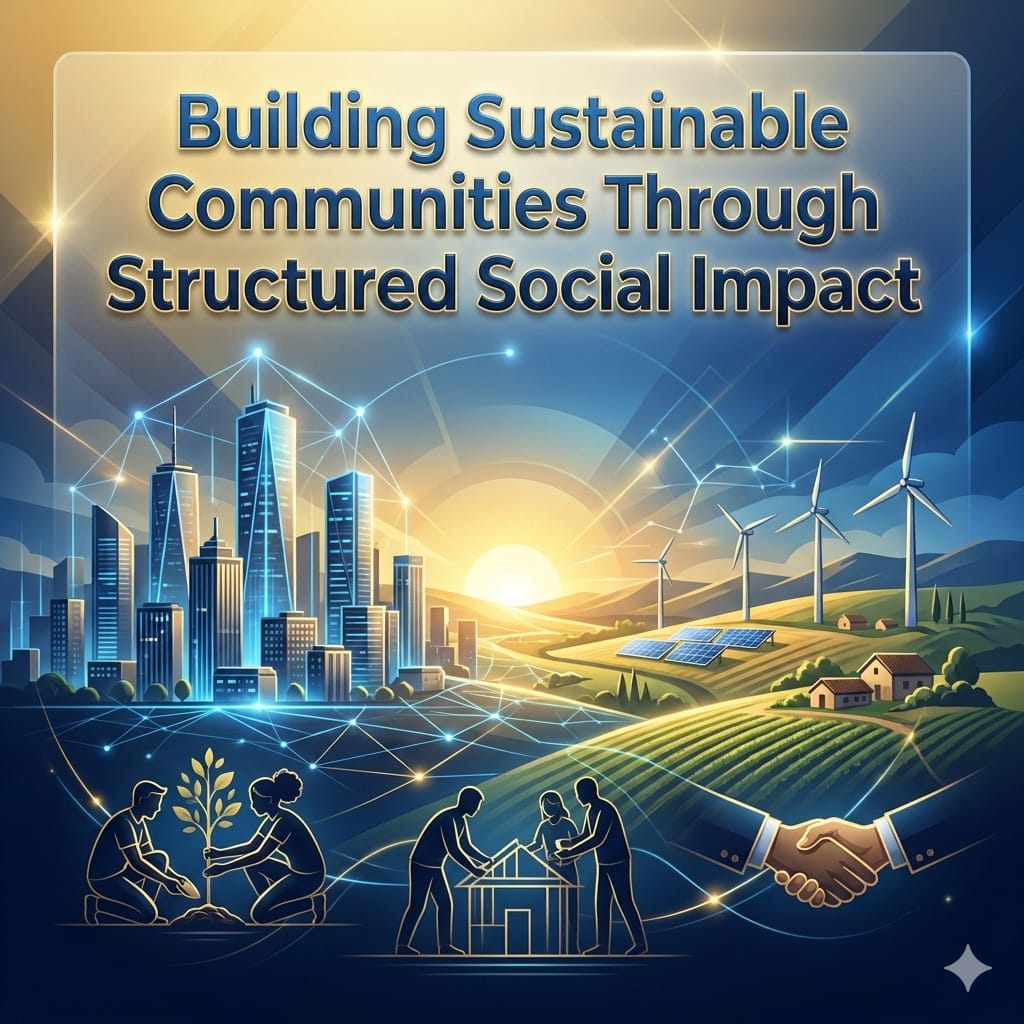
Sustainable community development requires more than temporary assistance; it demands a structured, long-term vision supported by measurable action. In today’s rapidly evolving socio-economic environment, social impact initiatives must be designed with scalability, accountability, and inclusivity at their core. True transformation occurs when communities are not merely beneficiaries, but active participants in the development process.
A structured social impact model begins with identifying real challenges through research and community engagement. Data-driven insights allow organizations to develop targeted programs that address root causes rather than surface-level issues. Whether the focus lies in education, health awareness, livelihood enhancement, or social empowerment, every initiative must be aligned with sustainable growth principles.
Collaboration plays a critical role in amplifying impact. Partnerships with local stakeholders, institutions, and volunteers ensure that initiatives are culturally relevant and operationally efficient. Transparency in governance and responsible resource management further strengthen trust among communities and partners.
Sustainable impact is not defined by short-term outcomes but by the ability to create lasting improvement in quality of life. By integrating innovation, ethical leadership, and community participation, social impact organizations can serve as catalysts for enduring progress and national development.